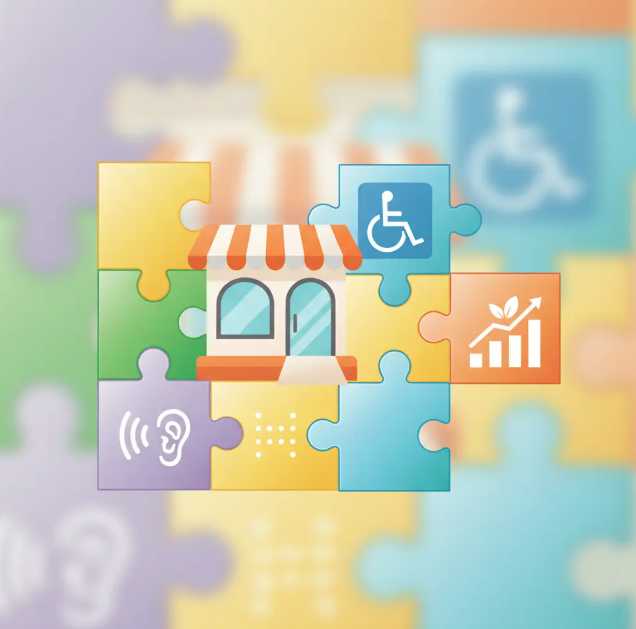
For entrepreneurs with disabilities who want real business ownership opportunities, the biggest barrier is rarely the idea, it’s the friction: access needs, inconsistent energy, rigid systems, and the assumption that “normal” startup demands are non‑negotiable. Disability-inclusive entrepreneurship flips that script by treating those pressures as design problems, not stop signs. With the right focus, accessibility becomes a competitive advantage that shapes what to build, how to run it, and how to keep it sustainable. The payoff is empowering self-employment that fits the body and the business.
Build a Disability-Friendly Startup Plan That Works
This process helps you choose the right kind of business, plan it in an accessible way, and build the skills to run it without burning out. It matters because a good fit up front saves time, money, and energy later.
- Choose a business model that matches your access needs
Start by listing your non-negotiables: schedule flexibility, sensory load, mobility requirements, communication needs, and how many “good hours” you reliably have. Then pick a business type that fits those constraints, such as remote services, digital products, consulting, or appointment-only work you can control. - Draft an accessible business plan you can actually use
Write a one-page plan first: what you sell, who it helps, how you deliver it, and what it costs you in time and energy. Make the document easy to read and share by using an accessible color scheme with a contrast ratio of at least 4.5.1, plus simple headings and short sections. - Research your market and competitors in small, repeatable sprints
Set a timer for 20 to 30 minutes and gather only what you need: top competitors, typical pricing, common promises, and frequent customer complaints in reviews. Organize your notes around clarifying the context of your idea so your research stays focused on what you can deliver better or more accessibly. - Choose a simple business structure and operating setup
Decide how you will operate at the beginning: solo, partnership, or a registered company, then pick tools that reduce friction (online scheduling, templates, auto-invoicing, async communication). Aim for the smallest legal and admin footprint that still protects you and supports how you work. - Close skill gaps with targeted practice and flexible learning
Pick the top 1 to 3 skills you need next, such as pricing, sales conversations, bookkeeping basics, or website updates. Practice in “micro-reps” like writing one offer page, running one mock sales call, or posting one simple marketing test, and use self-paced online courses or business degrees you can earn online when live classes are hard to attend.
Plan → Test → Set Up → Launch → Improve
Starting a business with a disability is easier when you know what to do first, what to repeat, and what to measure. This workflow turns your idea into small, trackable actions so you can build momentum without relying on constant high-energy days. You are not starting from scratch either, since there are more than 1.8 million entrepreneurs with disabilities in the U.S.
| Stage | Action | Goal |
| Plan access-first | Set capacity, limits, supports, and weekly target hours | A work pace you can repeat |
| Validate the offer | Describe the outcome, price, and delivery in plain language | Clear offer you can explain |
| Research quickly | Collect competitor notes and customer complaints in short sessions | Fewer assumptions, better positioning |
| Set up systems | Pick tools, templates, and a simple business plan outline | Operations that reduce friction |
| Launch small | Reach out, post, and invite 5 to 10 conversations | First feedback and first customers |
| Review and adjust | Track energy, time, leads, and sales; change one thing | Steadier progress with less strain |
Each stage feeds the next: planning protects your energy, testing prevents wasted build time, and simple systems keep you consistent. The review step closes the loop so you can keep what works and drop what does not.
Habits That Make Your Business Sustainable
Habits matter because they remove guesswork on low-energy days and protect your progress on high-energy ones. Over time, these routines help you build a business that fits your access needs while still moving forward.
Daily Energy Check-In
- What it is: Rate energy and pain, then pick one task that matches today.
- How often: Daily.
- Why it helps: You plan realistically and avoid overcommitting.
Timer-Based Focus Sprint
- What it is: Do one 15 to 25 minute sprint, then take a planned break.
- How often: Daily or workdays.
- Why it helps: It builds consistency without requiring long sessions.
Scheduled Social Media Window
- What it is: Use a countdown timer to limit scrolling and posting.
- How often: Daily.
- Why it helps: You protect focus for sales and client work.
Weekly Time Budget Review
- What it is: Review calendar blocks and adjust workload using time management basics.
- How often: Weekly.
- Why it helps: Better time use can reduce distress and boost performance.
Backup Plan for Disruption
- What it is: Write a Plan B list for flare-ups and missed deadlines.
- How often: Weekly refresh.
- Why it helps: You keep service quality steady when life changes.
Questions People Ask Before Starting a Business
Q: What funding options should I look at first if I have a disability?
A: Start by listing three lanes: personal savings, small loans, and grants. Many people begin by researching disability grants that can reduce risk and cover early tools, training, or accessibility needs. Next, build a one page budget so you can ask for a specific amount with a clear purpose.
Q: How can I market my business when my energy is limited?
A: Pick one channel you can sustain, like email, a simple website, or one social platform, then post on a predictable schedule. Use templates, batch content on a better day, and recycle your best message with small tweaks. Consistency beats intensity.
Q: What legal basics should I handle before taking money or signing clients?
A: Focus on your business structure, contracts, taxes, and any required licenses. Legal surprises can kill funding momentum, and around 67% of startups collapse during fundraising due to legal red flags found in due diligence. If you can, get a short consult to review your top documents.
Q: Can I run a business while managing flare ups or unpredictable symptoms?
A: Yes, if you design for variability. Offer longer timelines, set clear response windows, and create productized services that are easier to deliver. Build a small buffer in every deadline so your business stays dependable.
Q: Should I hire help early, even if my budget is tight?
A: Consider part time support for tasks that drain you but do not directly earn revenue. Many founders delegate scheduling so their best hours go to sales, delivery, and strategy. Start with a few hours a week and measure the impact.
Take One Action Toward Disability-Inclusive Business Ownership This Week
Starting a business with a disability can feel like carrying extra weight, questions about funding, legal steps, marketing, and access can make the first move hard. The way through is the mindset this guide has emphasized: build a realistic plan, ask for support early, and take steady steps that fit your energy and needs. With that approach, confidence building in business becomes a practice, and empowerment through entrepreneurship starts showing up in daily decisions. Start where you are, use what you have, and take one step today. Choose one next step for startup success this week, pick a business idea to validate, schedule one support call, or draft a simple plan, and follow through. That consistency turns entrepreneurial motivation into stability, resilience, and the real rewards of business ownership.
Charlene Day with guest blogger Justin Bennett